

Small surface checks, slight board movement and minor seasonal gaps can be normal in solid sauna timber because wood expands and contracts as its moisture content changes. Rapidly widening cracks, loose joints, soft timber, water staining, failed seals or structural movement are not details to dismiss.
Record them and ask the supplier to assess the cause.
Key Takeaways
Some timber movement is natural, but its location, size and progression help determine whether supplier assessment is needed.
- Solid timber naturally moves as temperature and moisture conditions change.
- A fine surface check is different from a structural split or a loose joint.
- Drainage, ventilation, indoor humidity and maintained exterior seals can all influence timber movement.
- Photograph any changes with a ruler and date so the supplier can assess their progression accurately.
Why Timber Moves in a Sauna
Wood gains and loses moisture in response to surrounding air, changing its dimensions. Sauna heating adds temperature swings, while outdoor cabins also face rain, sun and seasonal weather.
WoodSolutions explains timber moisture movement and why wood reaches an equilibrium with its environment. Movement is usually greater across the grain than along the length of a board, which helps explain why narrow gaps can appear between boards while overall cabin height changes very little.
The presence of a small check does not automatically mean the cabin is failing. The location, depth, direction and change over time matter.
What Can Be Normal?
A fine grain-following check, minor end checking, a narrow seasonal gap or slight colour change can be part of natural ageing. A settled door may need a model-approved adjustment if the frame and hardware remain sound.
Normal variation should not make the sauna unsafe, allow persistent water entry or prevent the door from operating correctly. It should also be distinguished from manufacturing damage that was present on delivery. Inspect panels during assembly and photograph any concern before use.
The guide to infrared sauna wood types explains how species differ in appearance, density, scent and stability. No solid timber species is completely motionless.
Warning Signs That Need Assessment
Contact the supplier if a crack crosses a structural joint, grows quickly or moves a bench, frame, roof or door opening. Soft timber, moisture staining, leaks, persistent mould, exposed fasteners and separating joints also need attention.
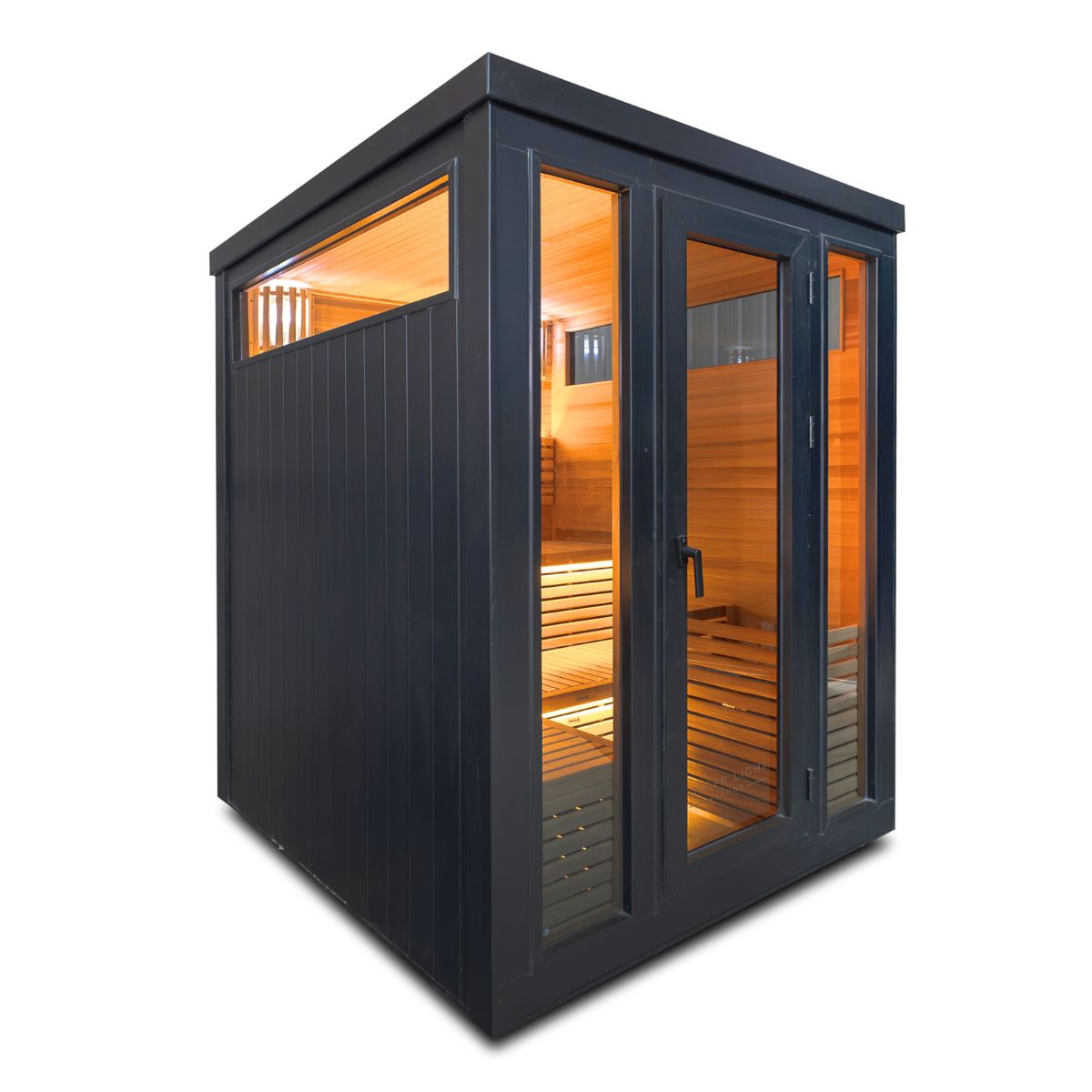
For an outdoor sauna, inspect the roof, base, silicone seals and drainage path. Water that collects beneath or against the cabin can keep timber wet and create a problem that heat alone will not solve. The guide to choosing a base for an outdoor sauna explains why a stable, level and free-draining foundation matters.
If glass alignment changes or a door begins binding, stop forcing it. Movement around a heavy glass panel should be assessed before further use.
Cracks, Mould and Rot Are Different Issues
A dry surface check is not mould, and mould is not automatically rot. Mould can grow on a damp surface; rot is decay of the wood itself and can reduce strength.
Dry the cabin after use, leave ventilation openings as directed and clean only with suitable products. The sauna mould-prevention guide covers practical ventilation and moisture control. If timber remains soft, wet or heavily stained, ask for a professional assessment rather than sanding away the evidence.
WoodSolutions' durability guide also shows that timber performance depends on species, biological hazards and exposure. A durable timber still needs appropriate design and drainage.
What Not to Do
Do not fill a changing crack before its cause is known. Silicone, foam, adhesive or filler can trap moisture, fail as timber moves or complicate a warranty assessment.
Do not paint or varnish the heated interior unless the manufacturer approves the exact product and surface. Do not pressure-wash an outdoor cabin or direct a hose into joints and vents. Avoid placing the sauna where sprinklers, roof runoff or pooled water repeatedly wet the walls or base.
How to Document and Report Timber Movement
Take a wide photograph and a close image with a ruler. Record the date, recent weather, cabin condition and any related door, roof or moisture issue. Repeat the image later if requested.
Check the current Inner Light Sauna warranty before making alterations. Its terms distinguish structural defects from natural timber ageing and also set maintenance expectations for outdoor seals and drainage.
If you have not bought yet, choose an indoor or outdoor design that fits the actual site. The Inner Light Sauna Finder can help identify the suitable category, while the infrared sauna installation guide helps you plan a dry, level location.
Final Answer
Minor checks and seasonal gaps can be normal in solid sauna timber, but their location and progression determine whether they are harmless. Act on structural splits, loose joints, water entry, soft timber or changing door and glass alignment. Control moisture, keep records and let the supplier assess the issue before applying a repair.
Sauna Timber FAQ
Frequently Asked Questions
These answers explain normal timber movement, possible warranty concerns and how to care for indoor and outdoor sauna timber.
Will Sauna Heat Make Timber Crack?
Repeated heat and moisture changes can contribute to natural checking and movement. Correctly selected, dried and installed timber is designed to accommodate normal conditions, but no solid wood is completely static.
Should I Fill a Small Crack in My Sauna Wall?
Not without the manufacturer’s advice. First confirm whether it is a stable surface check or a sign of moisture or structural movement. An unsuitable filler can trap moisture or interfere with later movement.
Are Gaps Between Sauna Boards a Warranty Fault?
Not always. Small seasonal gaps can be normal, while large, growing or water-leaking gaps may need assessment. The applicable warranty terms and supporting evidence determine the outcome.
How Can I Reduce Movement in Outdoor Sauna Timber?
Use a level, draining base, control roof runoff, maintain the specified seals, allow ventilation and follow the exterior-care instructions. Avoid standing water and unapproved coatings.


Share: