
Key Takeaways
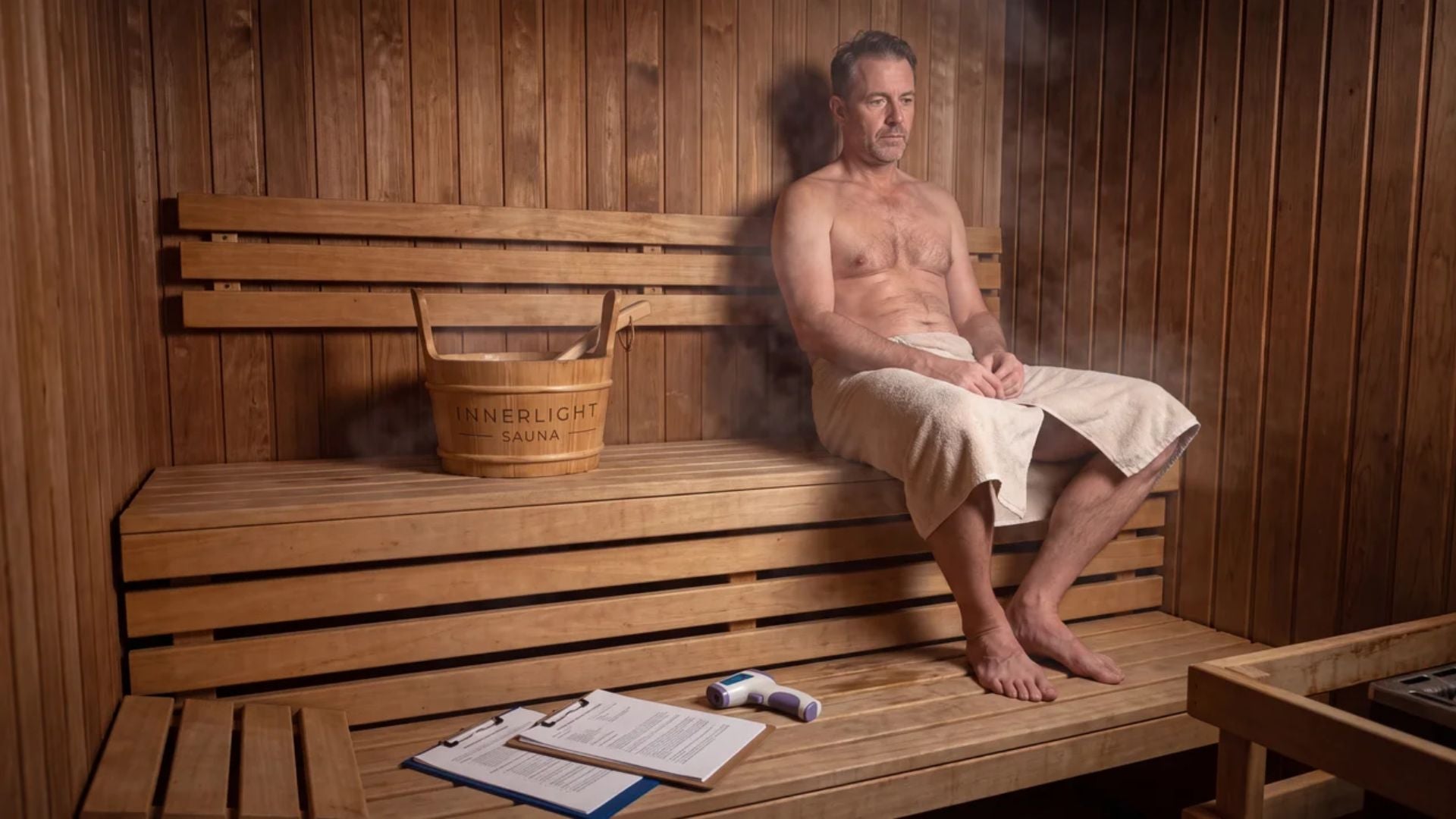
- Age alone does not make sauna use unsafe, but health and heat tolerance vary widely between older adults.
- Older bodies may sweat less and move heat to the skin less efficiently, increasing heat-strain risk.
- Small studies suggest possible wellbeing or frailty benefits, but they do not prove sauna is a treatment.
- A conservative routine, easy exit and medication review are more important than matching someone else’s time or temperature.
What the Research Suggests
Sauna use is common among older people in Finland. In a study of 524 mostly home-living men with an average age of 86, regular users reported better scores in several quality-of-life areas. However, it was a cross-sectional survey. Healthier and more mobile men may simply have been more able to keep using sauna, so the study cannot prove that sauna created the difference (Strandberg et al., 2018).
A Japanese study followed 67 pre-frail or frail older adults through a low-temperature far-infrared sauna program twice a week for three months. Walking speed, exercise capacity, mood, quality of life and several symptoms improved, while frailty scores improved in 18 participants, stayed the same in 47 and worsened in two (Sugie et al., 2020).
That study is interesting, but it did not include a non-sauna control group. The program also used a specific supervised low-temperature protocol. It should not be translated into a promise that any home sauna will reverse frailty.
Why Older Adults Need More Caution With Heat
Ageing can reduce sweating, skin blood flow and cardiovascular reserve during heat exposure. Thirst perception may also be less reliable, and chronic disease can make heat regulation harder (Balmain et al., 2018; Meade et al., 2020). These findings come largely from broader heat-stress research, not ordinary short sauna sessions, but they explain why older adults should avoid copying aggressive routines.
A sauna increases skin blood flow and heart rate. Blood pressure can change during heating and cooling. Standing up quickly may cause light-headedness, and a slippery step or bench can turn mild dizziness into a serious fall.
Who Should Get Medical Advice First?
Speak with a GP or relevant specialist before starting if you have unstable heart symptoms, recent cardiac events, poorly controlled blood pressure, fainting, significant kidney disease, impaired sweating, diabetes with complications, acute illness or fever. Mobility, balance problems, memory impairment and a history of falls also deserve a practical safety plan.
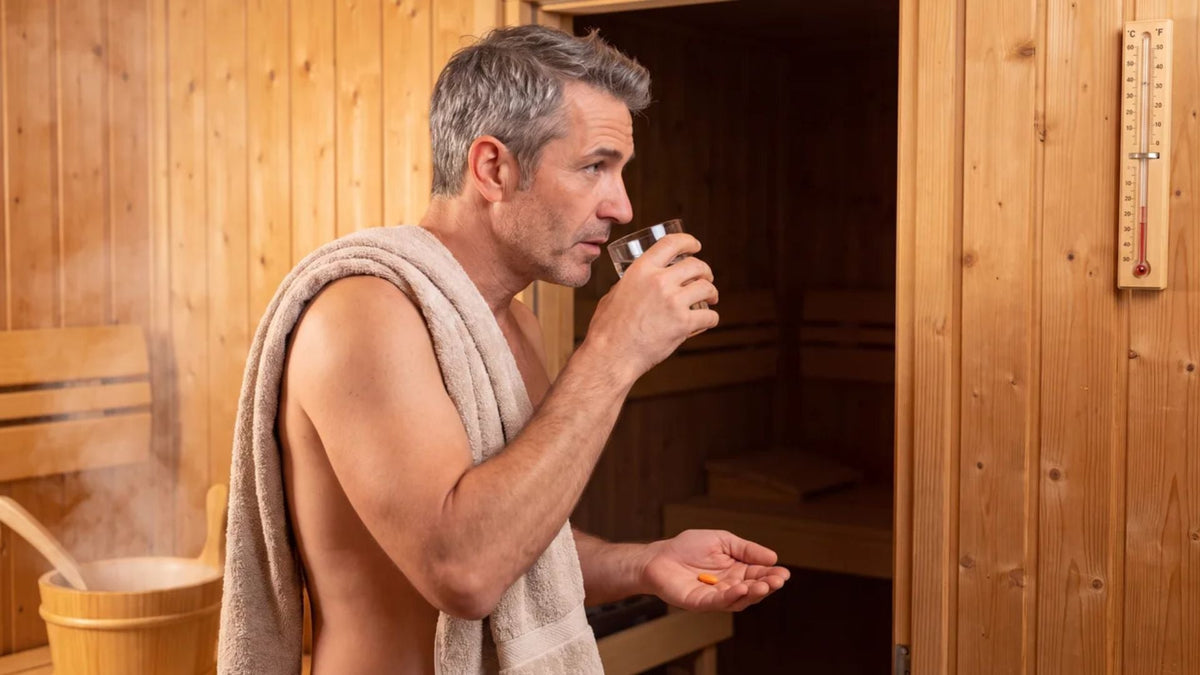
Medication matters. Diuretics, some blood-pressure or heart medicines, and medicines that affect sweating, alertness or temperature regulation may change the response to heat. Do not skip or adjust medication to fit a sauna session. Ask a pharmacist or prescriber to review the exact products and doses.
A Safer Way to Start
Begin below the cabin’s maximum settings and keep the first sessions brief. Use a timer and leave while you still feel comfortable. Do not treat sweating heavily or staying longest as a goal. Build only if repeated sessions are well tolerated and your health professional has not set a different limit.
Use the sauna with another person nearby at first. Make sure the door and controls are easy to operate, the route out is clear, and glasses or hearing aids are managed safely. Sit on a stable level, stand slowly and hold a support if needed.
Follow an individual hydration plan. People with heart or kidney disease may have fluid restrictions, so a generic large-volume target can be unsafe. Avoid alcohol, do not enter when feverish or dehydrated, and be cautious after strenuous exercise or on very hot days.
Skip sudden cold plunges unless a clinician has confirmed that rapid temperature change is suitable. Gradual cooling is a more conservative starting point.
Warning Signs to Stop
Leave immediately for dizziness, nausea, headache, unusual weakness, confusion, blurred vision, unsteadiness, chest discomfort, palpitations or shortness of breath. Cool down and seek help. Chest pain, collapse, severe breathlessness, new neurological symptoms or confusion require urgent medical assessment.
Choosing a Home Sauna for an Older User
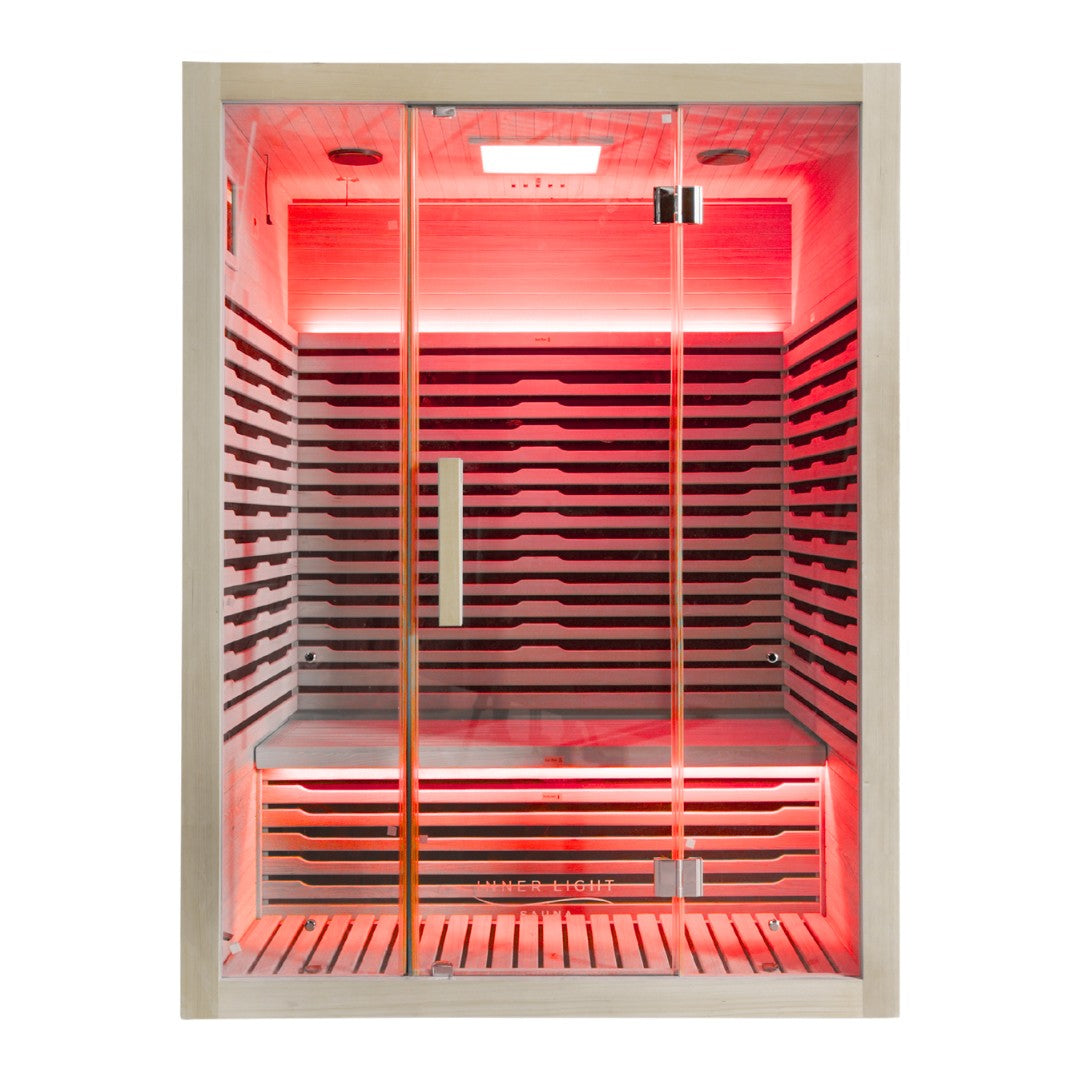
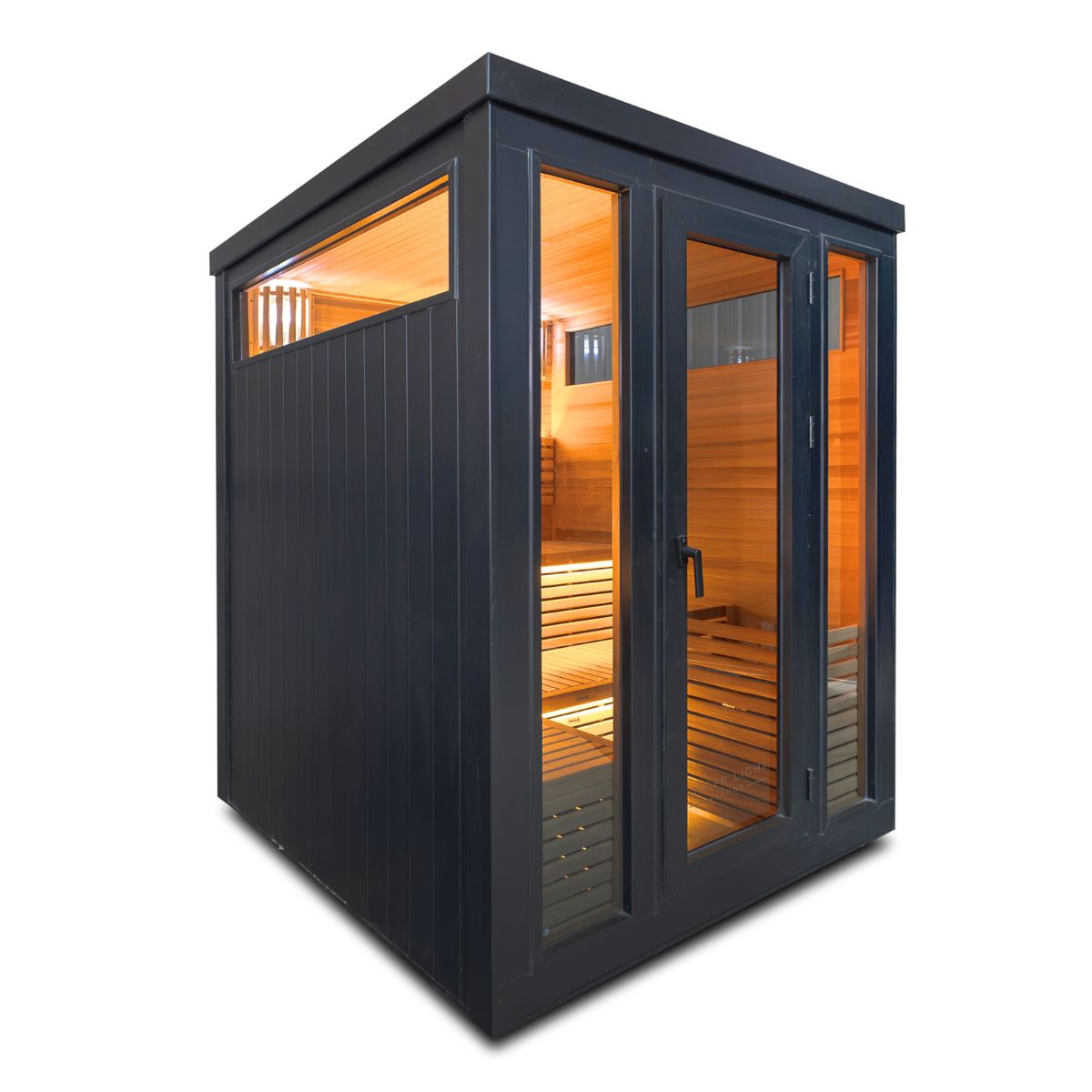
Prioritise an easy entrance, comfortable bench, simple controls and a location that does not create a trip hazard. The Sauna Finder can help narrow the layout. Compare indoor infrared saunas and outdoor saunas, then look closely at compact options such as the Mali 2 Person Indoor Infrared Sauna and the La Mar 2 Person Outdoor Infrared Sauna.
References
- Balmain, B. N., Sabapathy, S., Louis, M., & Morris, N. R. (2018). Aging and thermoregulatory control: The clinical implications of exercising under heat stress in older individuals. BioMed Research International, 2018, Article 8306154. https://doi.org/10.1155/2018/8306154
- Meade, R. D., Akerman, A. P., Notley, S. R., McGinn, R., Poirier, P., Gosselin, P., & Kenny, G. P. (2020). Physiological factors characterizing heat-vulnerable older adults: A narrative review. Environment International, 144, Article 105909. https://doi.org/10.1016/j.envint.2020.105909
- Strandberg, T. E., Strandberg, A. Y., Pitkälä, K. H., & Benetos, A. (2018). Sauna bathing, health, and quality of life among octogenarian men: The Helsinki Businessmen Study. Aging Clinical and Experimental Research, 30(9), 1053–1057. https://doi.org/10.1007/s40520-017-0855-z
- Sugie, M., Harada, K., Takahashi, T., Nara, M., Fujimoto, H., Kyo, S., & Ito, H. (2020). Effectiveness of a far-infrared low-temperature sauna program on geriatric syndrome and frailty in community-dwelling older people. Geriatrics & Gerontology International, 20(10), 892–898. https://doi.org/10.1111/ggi.14003


Share: