8 Ways to Naturally Increase Body Heat

If you feel chilly but otherwise well, dry clothing, a warmer room, gentle movement and a warm drink are sensible places to start. The aim is to feel comfortable and reduce heat loss, not force your core temperature higher.
Feeling cold is different from hypothermia. If someone is confused, unusually drowsy, clumsy or shivering uncontrollably after cold exposure, call 000. Do not put them in a sauna or hot bath to warm them quickly. Healthdirect’s hypothermia guidance explains why suspected hypothermia needs urgent care.
The suggestions below are for everyday cold discomfort, not treatment for a dangerously low body temperature.
1. Change out of damp clothes
Start with the clothes closest to your skin. Wet socks, a sweaty exercise top or rain-soaked trousers can leave you uncomfortable even after you get indoors.
Dry off and put on dry clothing before adding more layers. Keep a spare top and socks handy if you work outside or regularly finish a run in cool weather. A thick jacket over wet clothes is not the same as getting dry.
2. Use layers you can adjust
Several comfortable layers give you more control than one heavy garment. Choose a base layer that suits the activity, add insulation, and use a wind- or rain-resistant outer layer when outdoors.
At home, a jumper, socks and a blanket may be all you need. If you start sweating, remove a layer before your clothes become damp. More clothing is useful only while it remains comfortable.
3. Warm the space around you
Move away from draughts and into a warmer room. Close an open window if appropriate, check whether cold air is coming under a door, and use heating according to its safety instructions.
Think about the places where you sit still longest. A desk beside a draughty window may need a different arrangement from a room where you are moving around. Warm surroundings are often a more practical answer than repeatedly trying to heat yourself up.
4. Add gentle movement
If you are well and simply chilly, take a short walk indoors, do a few easy standing movements or get up between desk tasks. Working muscles produce heat.
There is no need to turn this into a hard workout. You want comfortable warmth, not exhaustion or sweat-soaked clothes. This advice does not apply to suspected hypothermia, when unnecessary movement should be avoided while help is arranged.
For a broader look at what movement does that passive heat does not, read our guide to sauna versus exercise.
5. Have a comfortably warm drink
A cup of tea, warm water or soup can make a cold afternoon more pleasant. Choose a temperature you can sip comfortably.
You do not need a special “warming” ingredient. Ginger, cinnamon and other spices can add flavour, but they should not be presented as a reliable way to treat low body temperature. Alcohol is not a suitable warming strategy.
6. Eat regularly
If you have skipped lunch, have something to eat rather than relying on another hot drink. A normal meal is a more useful habit than searching for a food that supposedly raises body heat.
Porridge, soup, eggs on toast or leftovers can all be practical choices. Pick food you enjoy and that fits your dietary needs. There is no need to buy a thermogenic supplement for ordinary winter comfort.
7. Choose gentle, comfortable warmth
For someone who is otherwise well, a comfortably warm shower and dry clothes afterwards may help with everyday chilliness. Avoid scalding water and follow any medical advice that limits heat exposure.
Take extra care with direct heat if you have reduced skin sensation. Heating products should be used only as directed. Do not use a hot bath, heating pad or sauna to treat suspected hypothermia.
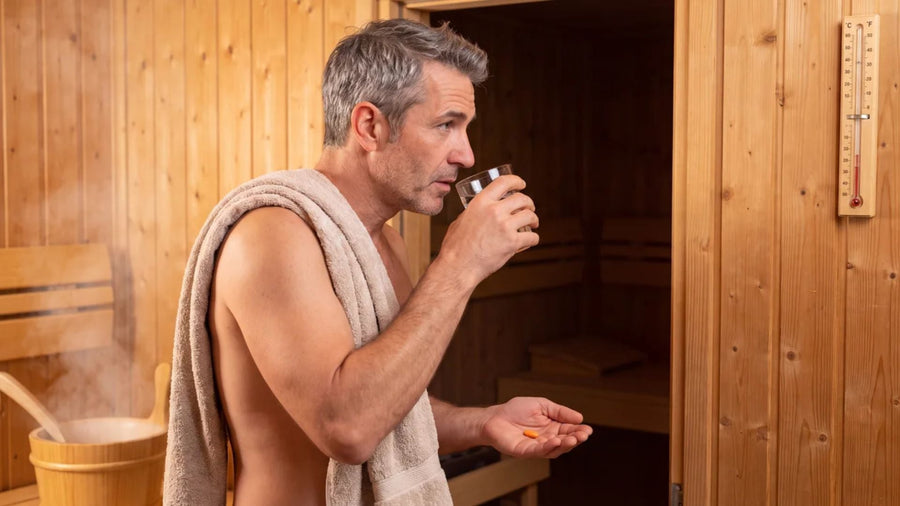
8. Consider a sauna for planned relaxation, not emergency warming
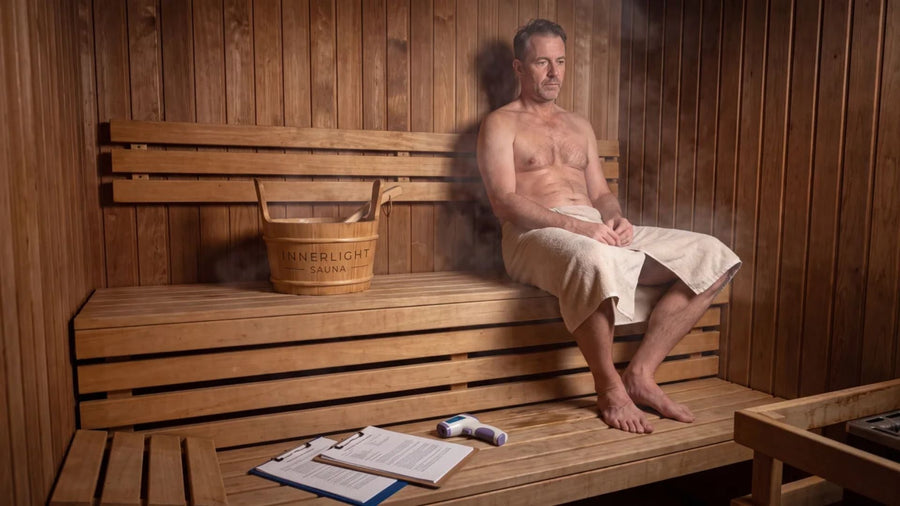
A sauna is an optional leisure activity for people who can safely tolerate heat. It is not a first-aid treatment, and you do not need one to stay warm through winter.
If sauna use suits your health and routine, prepare before entering: have dry towels ready, know the controls and leave whenever you become uncomfortable. Our guide to who should avoid sauna use covers situations that need medical advice.
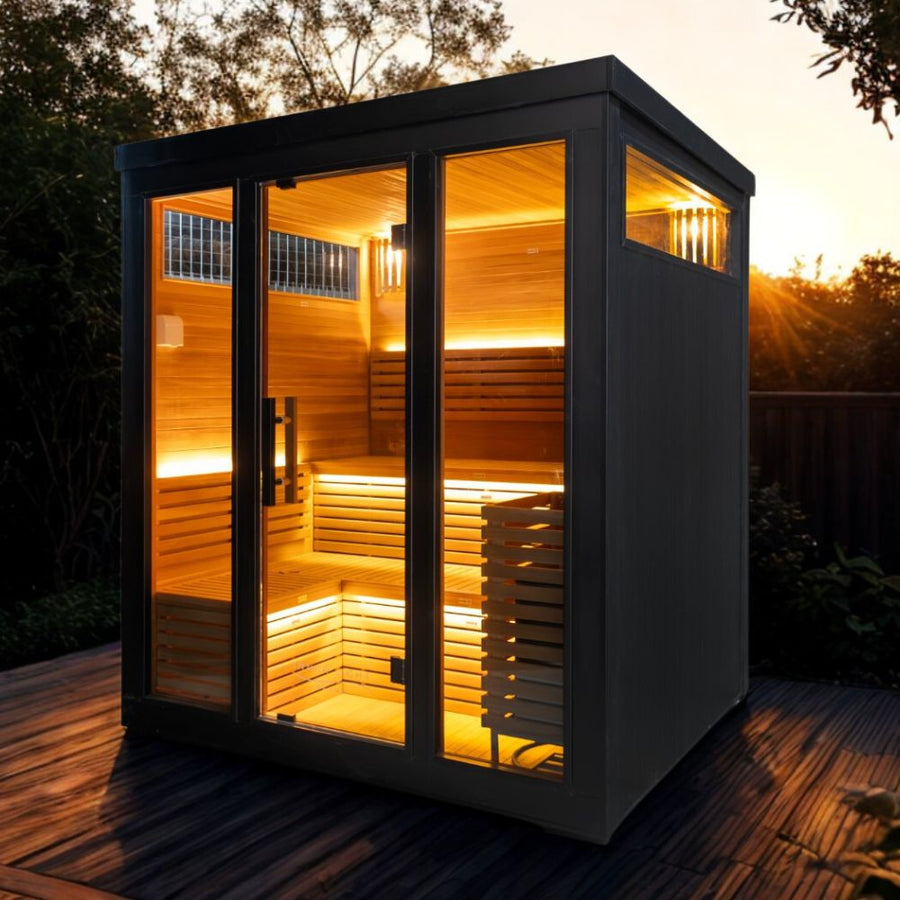
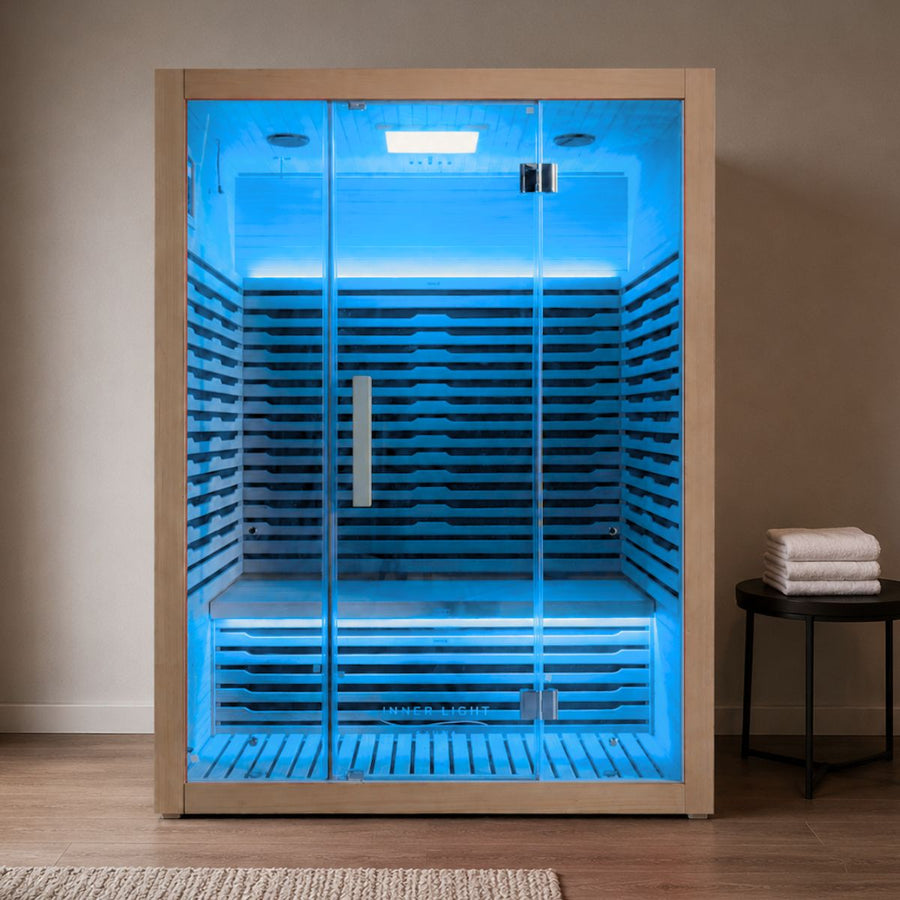
For an indoor home setup, the Inner Light Sauna Mali 2 is one model to compare. Choose it for its fit with your space and preferred sauna experience, not as a treatment for persistent coldness. Check the current model dimensions and installation requirements before buying.
What if you keep feeling cold?
Book a GP appointment if coldness is persistent, unexplained or accompanied by other symptoms. Tell the clinician when it happens, whether others in the same room feel comfortable, and whether anything else has changed.
Do not assume that turning the sauna hotter will address the cause. It is also worth reading about sauna use while taking medication if you are considering adding heat sessions to your routine.
Frequently asked questions
Can you feel cold with a normal body temperature?
Yes. Feeling cold does not automatically mean your core temperature is dangerously low. Symptoms, exposure and how you feel overall matter.
Will a sauna keep me warm for hours afterwards?
There is no reliable promise. Your room temperature, clothing and individual response all affect comfort afterwards.
What is the simplest place to start?
Get dry, move somewhere comfortably warm and add an appropriate layer. If you feel unwell or have warning signs, seek help rather than continuing home warming attempts.