
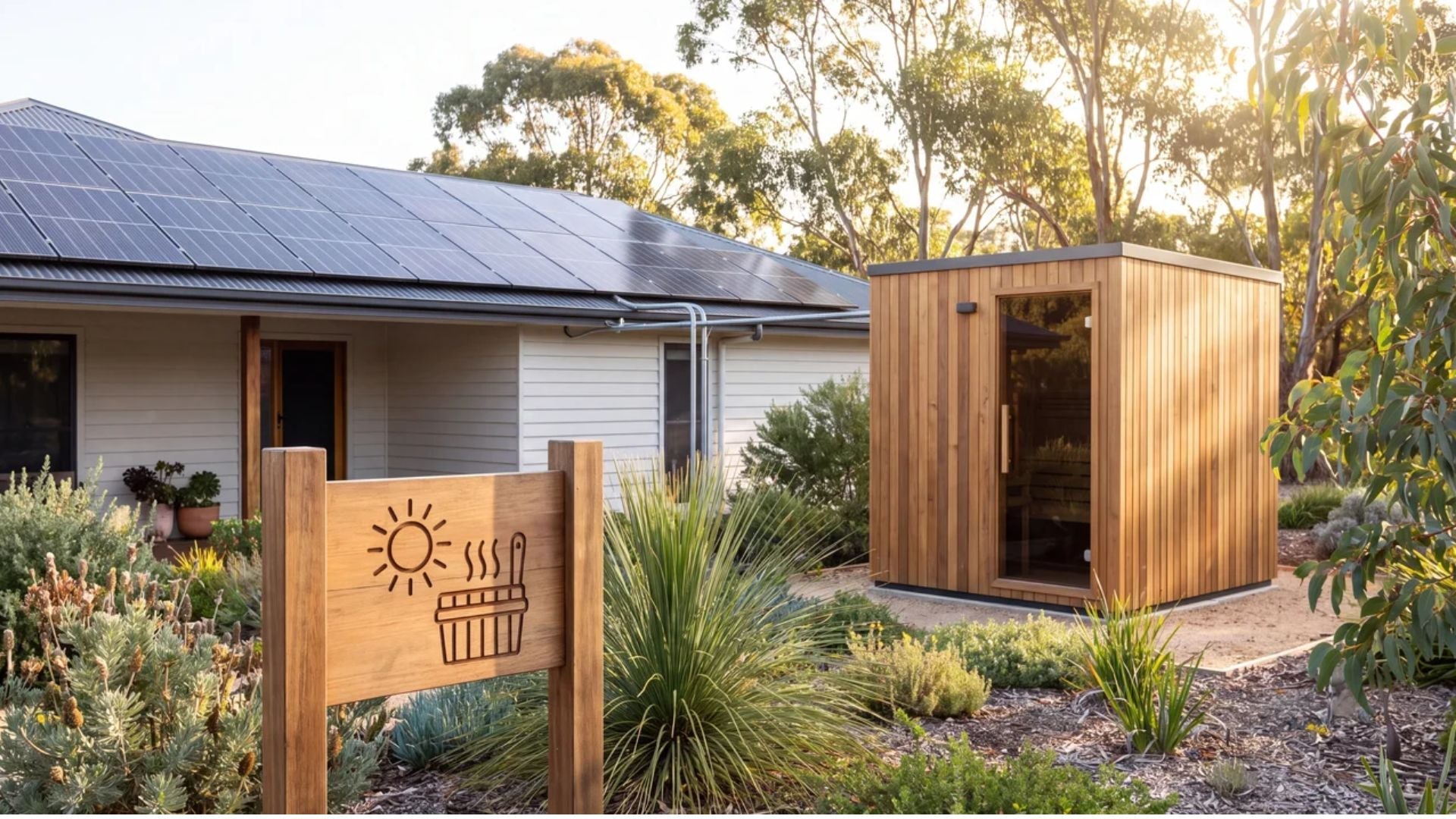
Yes, rooftop solar can supply some or all of the electricity a home sauna uses when enough solar power is available at that moment. In a typical grid-connected home, the sauna remains connected to the household electrical system, while solar generation reduces the amount of electricity imported from the grid.
The sauna is not usually wired directly to individual solar panels. It requires a 10A, 15A, or 20A circuit, or a hardwired circuit, which still needs to be installed correctly.
Key Takeaways
Solar can reduce the grid electricity used by a sauna. However, panel capacity alone does not guarantee that every session will run entirely on solar power.
- Scheduling sauna sessions during the day makes it easier to use solar electricity as it is generated.
- The inverter must provide enough instantaneous power for the sauna and other household loads running at the same time.
- In a grid-connected home, the electricity grid normally supplies any shortfall when solar production is not enough.
- A home battery may support evening sauna sessions when it has enough stored energy and power output.
- Most standard solar systems do not continue supplying power during an outage unless backup capability has been specifically designed and installed.
- A solar system does not change the sauna’s electrical circuit or installation requirements.
How Does Rooftop Solar Power a Sauna?
Rooftop panels generate DC electricity, and an inverter converts it into AC electricity for household use. When the sauna is running, available solar generation contributes to the home’s total demand.
If the panels are producing more than the home is using, the excess may charge a battery or be exported. If the sauna and other appliances need more than the solar system is producing, the grid supplies the difference.
The Australian Government recommends using major electrical appliances while solar generation is available. Its guide on getting the most from a solar system identifies the middle of the day as the usual high-generation period, although the exact window changes with season, weather and system orientation.
How Much Solar Power Does a Sauna Need?
The system needs enough instantaneous power in kilowatts to support the sauna’s live demand, while the session’s total energy use is measured in kilowatt-hours. These are related but different measurements.
Current product examples include:
-
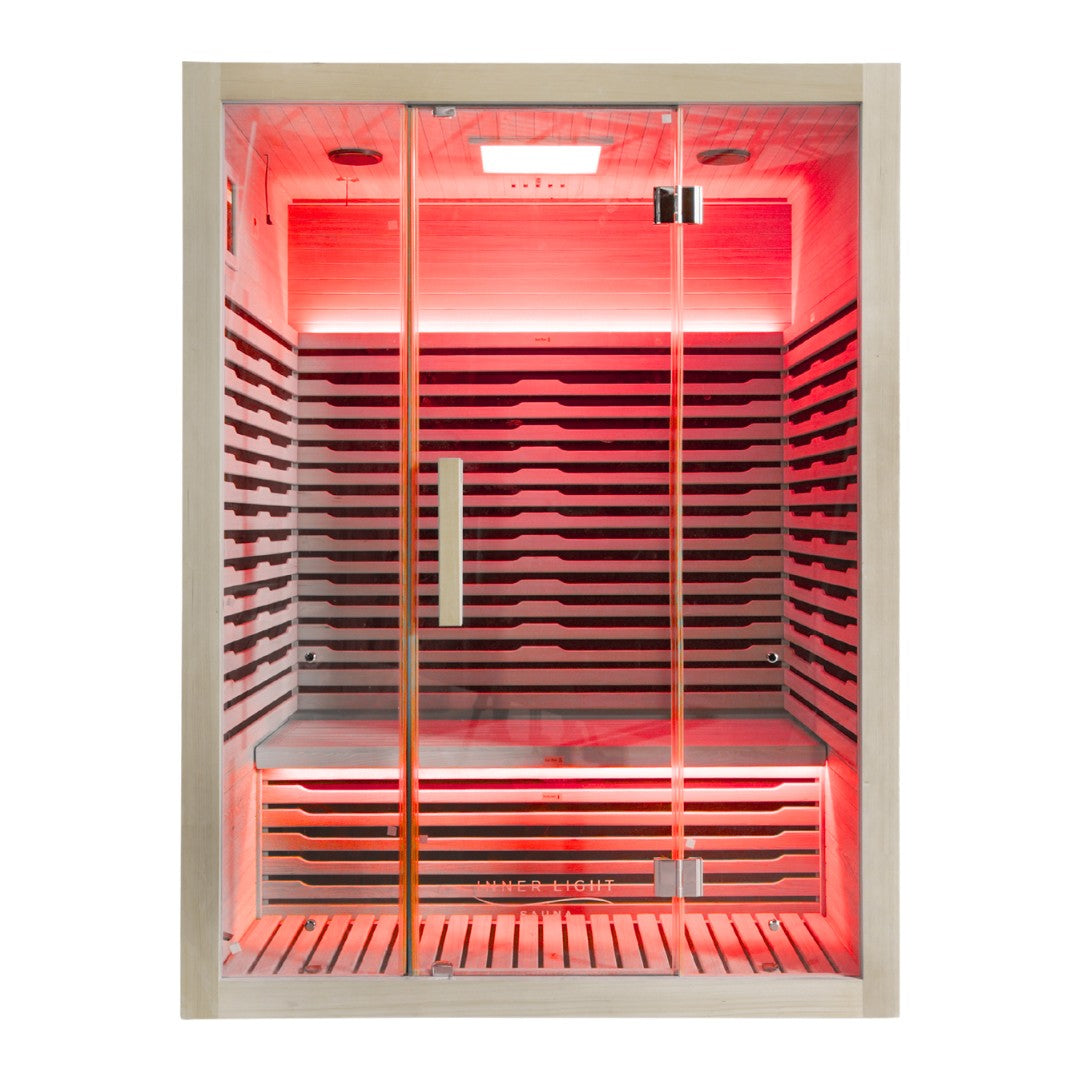
Mali 2 Person Infrared Sauna: approximately 2.35 kW maximum draw with a 10A plug.
-
Mali 4 Person Infrared Sauna: listed maximum power consumption of approximately 3.4 kW with a dedicated 20A point.
-
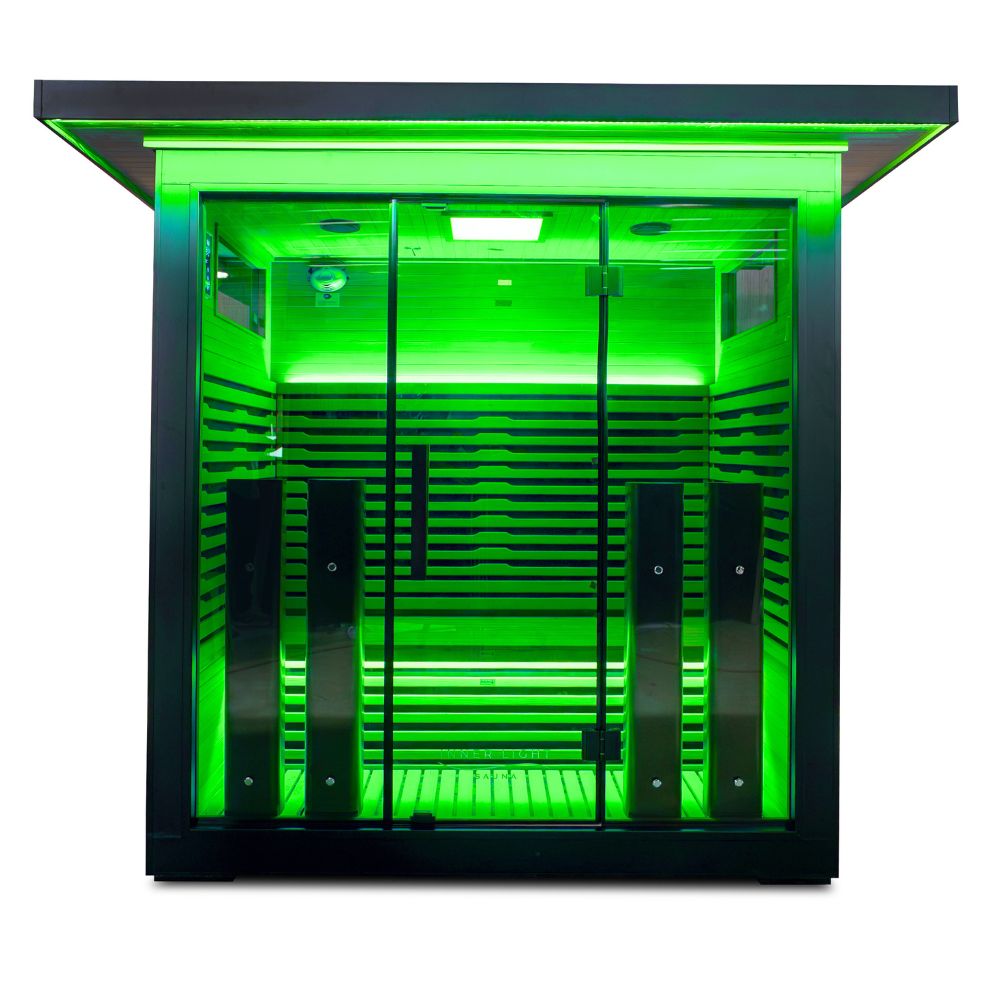
La Mar 4 Person Outdoor Sauna: listed maximum output of approximately 4.6 kW with a dedicated 20A point.
-
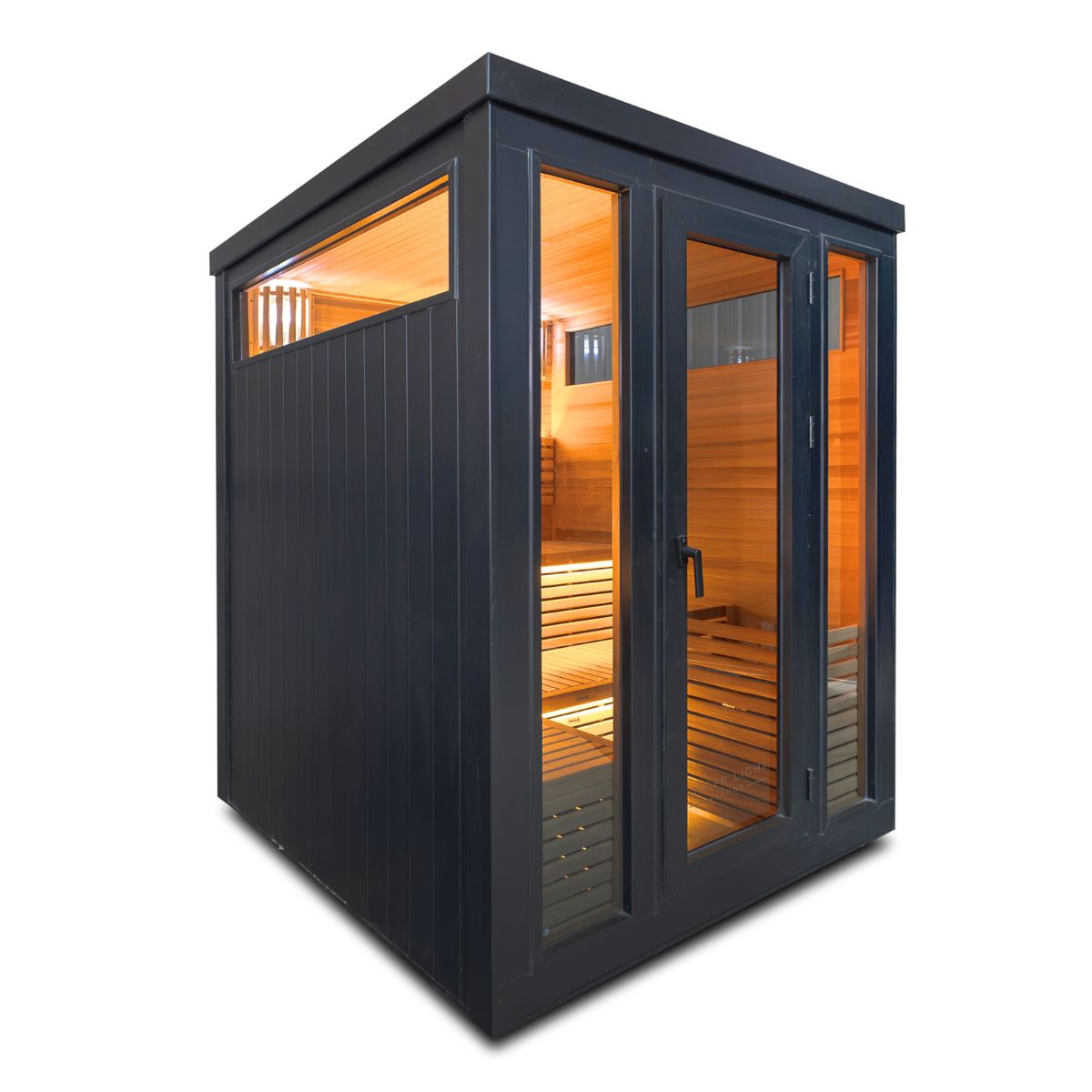
Bella Deluxe 5 Person Outdoor Sauna: listed maximum output of approximately 5 kW with a dedicated 25A hardwired circuit.
Maximum rating is useful for electrical planning, but the heater may cycle after the target temperature is reached. Actual energy use depends on warm-up, session length and conditions.
Can a 6.6 kW Solar System Run a Sauna?
A 6.6 kW panel system may cover a small or medium sauna during strong daytime generation, but it will not produce its full rated output at every moment. Panel direction, shading, temperature, weather, inverter size and other household loads affect what is available.
For example, running a sauna at the same time as electric hot water, air conditioning, an oven or EV charging can push household demand above solar output. The system may still operate normally, but some energy will come from the grid.
The Australian Government’s solar sizing guide explains that location and climate change daily generation. Use your monitoring app to see real output at the time you expect to use the sauna.
What Is the Best Time to Use a Sauna With Solar?
The best time is usually during the strongest daylight generation, often around late morning to mid-afternoon. Your monitoring data is more accurate than a generic clock time.
Preheat the sauna while solar output is strong and avoid running several other high-load appliances at the same time. This can increase self-consumption and reduce grid imports.
Do not shorten a safe warm-up process or alter the sauna controls only to match a solar peak. Schedule the session rather than modifying the electrical system.
Do You Need a Battery to Run a Sauna on Solar?
No, a battery is not required for a grid-connected daytime session. Solar generation can supply the home while the grid covers any shortfall.
A battery becomes more useful when the sauna is used after sunset or during low generation. It stores excess solar energy for later use, as explained by Solar Victoria.
The battery needs both:
-
Enough usable energy capacity in kWh for the planned session.
-
Enough discharge power in kW to support the sauna and other active loads.
A large energy capacity does not help if the battery or hybrid inverter cannot deliver the required power at that moment.
Will Solar Power a Sauna During a Blackout?
Not necessarily. Many grid-connected solar systems shut down during an outage for safety and do not keep household circuits live.
Backup operation requires a compatible inverter, battery and switchboard configuration designed to supply selected circuits during an outage. Even then, the sauna may not be included because it is a relatively high load.
Solar Victoria’s power outage guidance explains that backup requires a battery system with the appropriate functionality. Ask the solar installer whether the sauna circuit is supported and whether running it during an outage is sensible.
Can an Off-Grid Solar System Run a Sauna?
Yes, but an off-grid system must be designed for the sauna’s peak power, warm-up energy and the worst expected solar conditions. This can require a larger inverter, battery bank and solar array than the average household load suggests.
An off-grid designer should model:
-
Sauna maximum power and start-up behaviour.
-
Expected session length and frequency.
-
Other loads running at the same time.
-
Winter solar production and extended cloudy periods.
-
Battery depth of discharge and reserve capacity.
-
Backup generator strategy where needed.
Do not purchase an off-grid inverter from the sauna wattage alone. A qualified solar designer and licensed electrician should assess the complete system.
Does Solar Change the Sauna’s Electrical Requirements?
No, solar does not change the outlet, circuit or hardwiring required by the sauna. A 20A model still needs its specified 20A connection, and a hardwired model still needs a licensed electrician.
Read our guide to sauna electrical requirements in Australia before choosing a model. The solar installer and electrician should both receive the current product documentation.
How Much Can Solar Reduce Sauna Running Costs?
Solar can reduce the imported electricity used during a session, especially when generation would otherwise be exported at a lower feed-in rate. The saving depends on self-consumed solar, the retail tariff avoided and any opportunity cost from reduced exports.
Use this basic approach:
-
Estimate the sauna’s session energy in kWh.
-
Check how much solar is available during that period.
-
Subtract other household loads.
-
Estimate the portion still imported from the grid.
-
Apply the relevant retail and feed-in tariffs.
Our infrared sauna running cost guide explains how warm-up time, power and tariff affect the base cost before solar is considered.
Which Sauna Is Easiest to Match With Home Solar?
A smaller infrared model is generally easier to cover with rooftop solar because its maximum demand is lower. The Mali 2 is a practical starting point for a household that wants a compact cabin and standard 10A connection.
Larger saunas can still work well with solar. They simply need more instantaneous generation or more support from the grid or battery. Choose the sauna for your space and routine first, then model its energy use honestly.
Final Answer
Solar panels can power part or all of a home sauna session when generation is high enough. Use the sauna during strong daylight hours, check the inverter and battery output, and maintain the correct dedicated electrical connection. In a normal grid-connected system, the grid automatically covers any shortfall.
Solar-Powered Sauna FAQ
Frequently Asked Questions
These answers cover common questions about running a sauna from rooftop solar.
Can I Plug a Sauna Directly Into a Solar Inverter?
No. Use the approved household circuit specified by the sauna manufacturer, electrician and solar installer. Do not create an improvised direct connection between the sauna and solar inverter.
Will a 10 kW Solar System Fully Power a Sauna?
It may during periods of strong solar generation. However, actual panel output, inverter capacity, weather and other household loads determine how much of the sauna’s electricity comes from solar at that moment.
Is an Infrared Sauna Better for Solar Than a Traditional Sauna?
Infrared home saunas often have a lower maximum power requirement than larger traditional sauna heaters. This can make them easier to match with typical rooftop solar generation, but you should compare the exact specifications of each model.
Can a Home Battery Run a Sauna at Night?
Yes, provided the battery and inverter have enough discharge power and usable stored energy. Ask your installer to assess the sauna together with any other appliances likely to run during the evening.
Does Solar Make a Sauna Free to Run?
Not necessarily. Using your own solar electricity can reduce grid purchases, but system costs, reduced export earnings, battery losses and periods of low solar generation still affect the total running cost.



Share: