
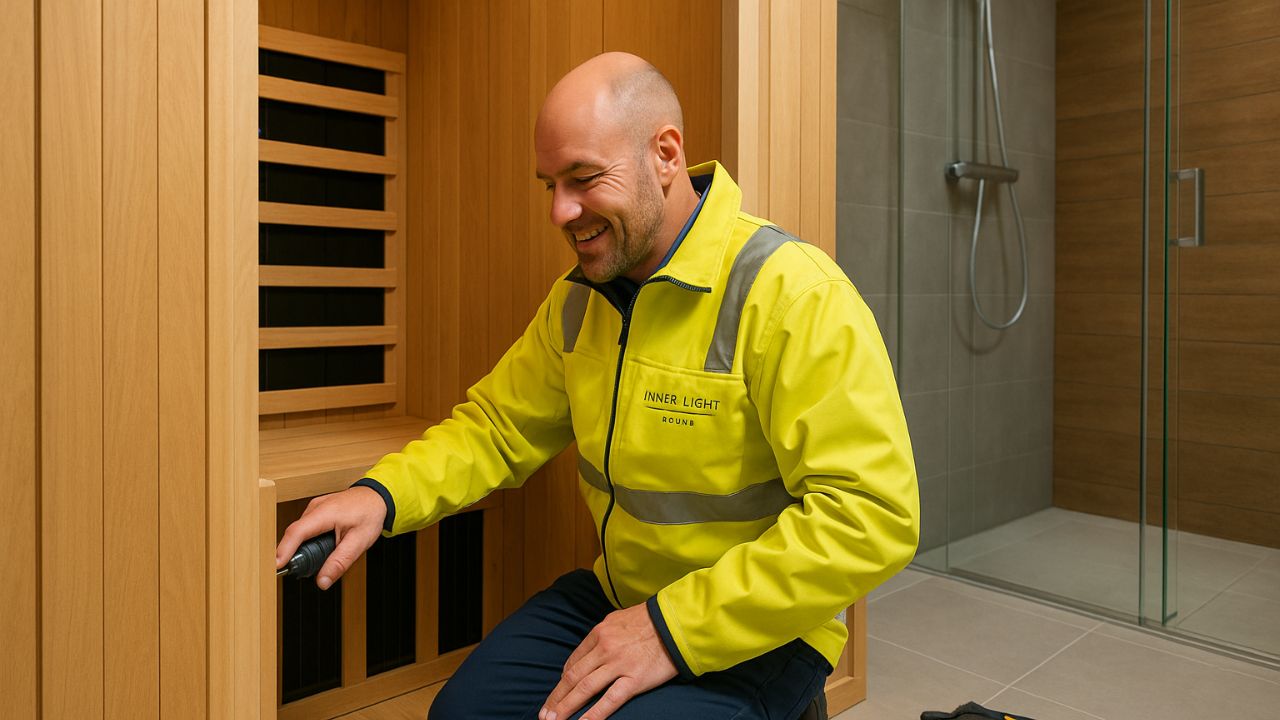
Setting up a sauna at home is a great way to enjoy heat therapy whenever you want. But where you put it matters. You’ll need a spot that’s safe, comfortable, and meets the technical needs.
Here’s a breakdown of the best indoor placement options and what to keep in mind.
Why Indoor Installation Makes the Most Sense
Most home saunas are built for indoor use. Having your sauna indoors protects it from weather changes and humidity that can wear it down over time.
Plus, it’s easier to control temperature and access electricity inside your home.
Great Areas to Place Your Sauna
Spare Room or Wellness Room
If you’ve got a spare bedroom or a section of your home gym, that’s a perfect spot. The floor should be flat and dry—tile, hardwood, concrete, or laminate works best. It’s also nice if it’s near a bathroom for quick cooldowns after your session. This setup turns any regular space into a personal spa corner.
Master Bathroom or Large Bathroom
Bathrooms are popular for sauna setups because they’re already made to handle moisture. A spacious master bath or even a walk-in closet next to it can work really well. Just make sure the floor can handle the sauna’s weight, and there’s a standard outlet nearby. Also, check the ceiling height and make sure it’s not too close to other fixtures like tubs or shelves.
Basement Setup
Basements are another common choice. The naturally cooler temperature down there can help the sauna run more efficiently. Just make sure the basement is dry—if it gets damp, you might need a dehumidifier. A bonus is that basements usually have extra space, and any heat from the sauna stays contained.
Home Gym or Yoga Area
If you already have a workout space, adding a sauna nearby is a solid recovery setup. You can relax your muscles right after training. Make sure there’s ventilation in the room and leave enough space around the sauna for access and airflow.
Don’t Skip the Space and Clearance Check
Before installing, measure your sauna and your room. You need floor space, some clearance around the sides and back (especially if it has vents), and enough ceiling height. Most saunas are 6 to 7 feet tall, so an 8-foot ceiling usually works fine. Also, check that you’ll have enough room to stand up and move around comfortably.
Flooring Matters More Than You Think
A level, solid surface is a must. Tile, vinyl, laminate, hardwood, and concrete are all great options. Carpet is not ideal, but can work if approved by the manufacturer. Just keep in mind—it’s harder to clean and holds heat.
Some people lay a rubber mat or cut out a section of carpet to make it work. In bathrooms, it’s smart to use a non-slip mat outside the sauna to avoid slipping.
Make Sure You Have the Right Electrical Setup
Small saunas usually plug into a regular 120V outlet, while bigger ones might need a 240V connection. Always check your model’s power needs. Place the sauna close to an outlet—avoid using extension cords.
A grounded outlet is best, and ideally on a dedicated circuit. If you’re setting it up in a bathroom, the outlet should be a GFCI type for added safety.
Ventilation Helps Keep Things Comfortable
Saunas don’t release steam like traditional wet models, but you still sweat. It helps to have some airflow in the room. A window you can open or a small exhaust fan can make a big difference, especially after your session when the room might feel warm and humid.
Final Thoughts
Indoors in a dry, level, well-ventilated space with a nearby electrical outlet is best. Popular choices are a spare room, a large bathroom, a basement, or a home gym area. Keep it protected from moisture and temperature extremes. Ensure you have enough clearance and support.
A little planning will mean your infrared sauna is easy to use and maintain. Once installed in the right spot, you’ll be more likely to hop in regularly and get the most benefit from your investment.
Related Article: 5 Best Types of Wood to Build the Perfect Sauna



Share: